


Is Your Head Spinning? How Physical Therapy Can Help Your Vertigo
Have you ever had a sudden sense that you’re spinning in place — even though you’re standing perfectly still? If so, then you’ve experienced vertigo, an unnerving sensation that often indicates an underlying issue with your vestibular system.
A single incident of vertigo probably isn’t anything to worry about, as the sensation isn’t typically harmful in and of itself. However, multiple vertigo attacks could indicate an underlying issue with your vestibular system, which helps manage your balance and spatial awareness. Frequent vertigo can also increase fall risk, leading to potential injury or hospitalization. While vertigo can feel hallucinatory and strange, it is more often than not rooted in a physical issue — one that the physical therapists at The Physical Therapy Institute can help address. Our team’s understanding of your body’s vestibular and balance systems ensures you can find the relief you need to live a full, healthy life.
Don’t let vertigo sweep you off your feet. Call us today to schedule an initial consultation!
Our New Bower Hill Location is Now Open
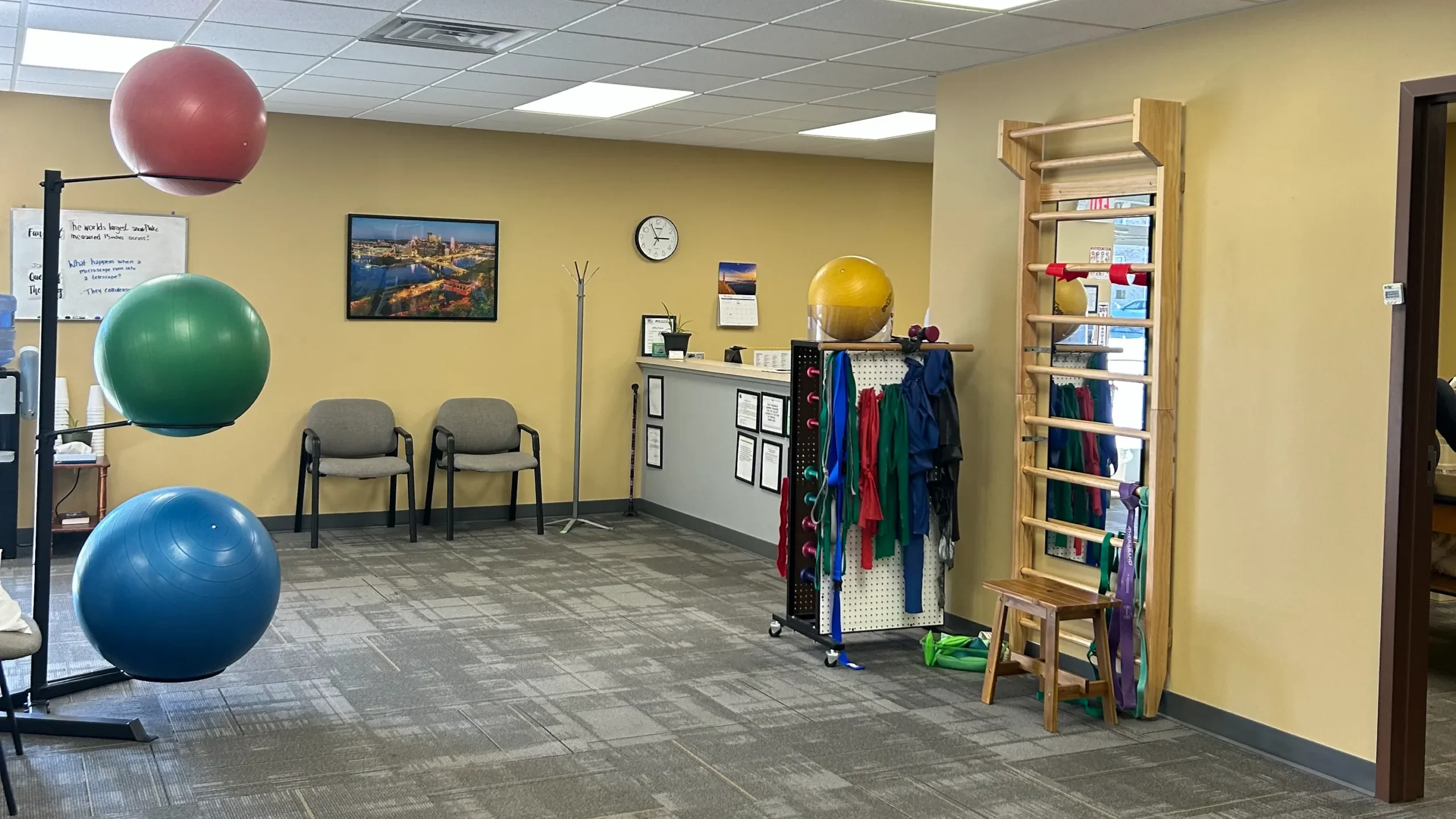
We’re growing to serve you better! Our newest clinic, the Bower Hill location, opened on June 9th. You’ll find us at:
1145 Bower Hill Rd, Suite 305, Pittsburgh, PA 15243
We’re excited to bring the same high-quality care you know and trust to a new part of the community.
Staff Spotlight
Sally Coll | PT, DPT, OCS
I graduated from the University of Pittsburgh in 1985 with a Bachelor’s degree in Physical Therapy. I completed an advanced Master’s Degree in Orthopedic Physical Therapy in 1990 and continued on to receive my Doctor of Physical Therapy degree in 2018. I am certified through the American Physical Therapy Association as an orthopedic clinical specialist. I have worked in a variety of rehabilitation settings, with my primary emphasis on outpatient orthopedics. I enjoy working with patients of all ages and varying orthopedic issues.

Understanding Vertigo: What It Is, What It Feels Like, and What Causes It
Many people use the terms “vertigo” and “dizziness” interchangeably, but vertigo is a specific type of dizziness. Dizziness can refer to a range of sensations: wooziness, lightheadedness, etc. Vertigo refers to a particular sensation in which you feel like you or the space you’re in is spinning.
Vertigo is closely associated with your vestibular system, which is located in your inner ear (the peripheral vestibular system) and in your cerebellum (the central vestibular system). Most people with vertigo have an impairment in the peripheral vestibular system: the structures and canals of the inner ear.
What sort of impairments? Here are a few of the most common:
- Benign Positional Paroxysmal Vertigo (BPPV): The most common source of vertigo, this occurs when tiny crystals build up in the inner ear canal.
- Meniere’s Disease: This results from fluid buildup in your inner ear. In addition to vertigo, you might experience hearing loss or muffled hearing, tinnitus, and a sense of fullness in the ear.
- Labyrinthitis: This is an inner ear inflammation resulting from an infection.
It’s important to remember that vertigo isn’t really a condition in and of itself — it’s a symptom. If you can’t find an obvious inner ear issue that could be causing your vertigo, you may have central vertigo, vertigo that’s rooted in your cerebellum. The following can cause central vertigo:
- Stroke
- Migraines
- Vascular disease
- Traumatic brain injury
Our physical therapists will work with you and other providers, if needed, to determine the exact root of your vertigo attacks.
Celebrate National PT Month with Us & Maximize Your Benefits!
October is National Physical Therapy Month, and we’re celebrating all month long at The Physical Therapy Institute! It’s the perfect time to prioritize your health and recognize the power of PT in recovery, performance, and pain relief.
Friendly Reminder: Most insurance deductibles reset at the end of the year—don’t let your benefits go to waste! If you’ve met your deductible, now is the ideal time to schedule your appointments and get the most out of your coverage before December 31st.
Book your visit today and finish the year strong, healthy, and pain-free!
Physical Therapy’s Role in Treating Vertigo
Many people are surprised that physical therapy is a standard treatment for vertigo, but it’s true, especially if you have peripheral vertigo. Our therapists will blend several different treatments to help manage your vertigo attacks while working to improve your overall balance and stability:
- Vestibular rehabilitation is a specialized form of physical therapy that consists of exercises specifically designed to address issues with the vestibular system, including relaxation techniques, gaze stabilization exercises, and more.
- Repositioning maneuvers help people with BPPV. We can dislodge the crystals causing your symptoms by positioning your head in certain ways.
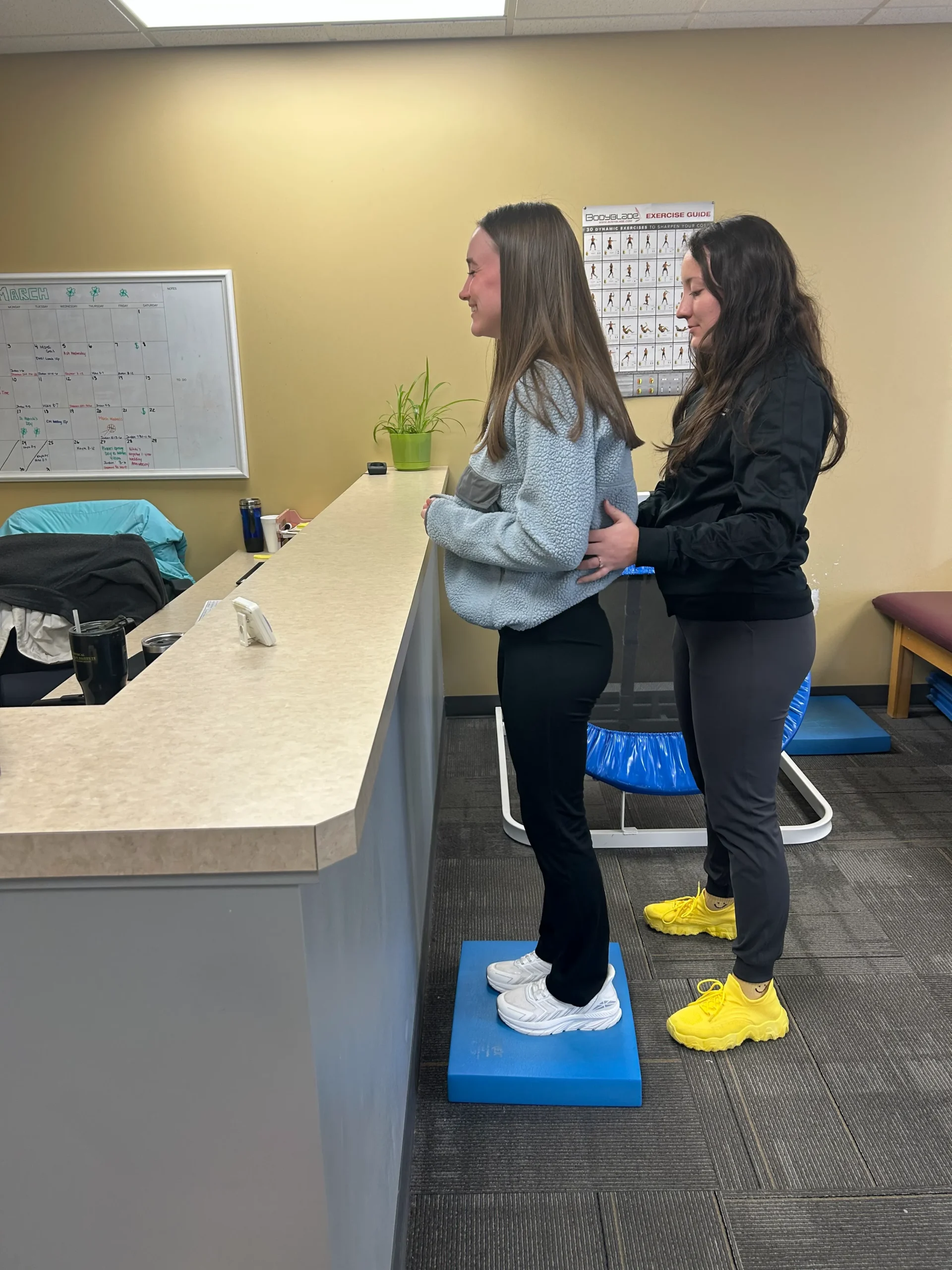
- Balance training is an integral part of any vertigo treatment plan. We’ll walk you through exercises designed to challenge — and improve — your overall balance, which helps reduce your fall risk.
- Conditioning programs are another important piece in the vertigo puzzle. Muscular weakness, particularly in the core, can contribute to balance issues; a tailored exercise program will help you build the strength you need to stay on your feet.
- Finally, patient education ensures you understand the cause of your vertigo and have the tools you need to manage it. For example, we can help you identify and avoid vertigo triggers and provide strategies to make it through vertigo attacks.

Our Patients Get Great Results
“Scott is an amazing physical therapist! He has provided me with compassionate relief from neck and back issues sustained in a recent fall. Scott’s hands read your body like a book, locating and addressing the issues. He then determines the best therapy to address your needs. The entire PT staff works as a well oiled machine, right up to the receptionist. I will be back with any future needs.” – F.B.
Say Goodbye to Vertigo. Call The Physical Therapy Institute Today!
Although it’s not life-threatening, vertigo can profoundly impact your overall quality of life. Many people with frequent vertigo are less likely to go out or participate in their favorite recreational activities for fear of an ill-timed attack. But our physical therapists can help control — and sometimes even resolve — your vertigo, ensuring you live a rich, active life. Ready to learn more? Call to schedule an appointment today.
An In-Depth Look at Vestibular Rehabilitation
If you’re suffering from vertigo, you may have heard you could benefit from vestibular rehabilitation. But what is that, exactly? Let’s break it down. Vestibular rehab focuses on addressing impairments in your vestibular system, which controls your body’s sense of balance and proprioception (awareness of itself in space). It mainly focuses on issues in your peripheral vestibular system, the structures and labyrinths in your inner ear that help keep you steady. Like any good physical therapy program, a good vestibular rehabilitation program is designed around your symptoms, condition, and overall goals. The Physical Therapy Institute physical therapists will work closely with you to create your own customized plan.
What Will We Include in a Vestibular Rehabilitation Program?
The aims of vestibular rehab are three-fold. We want to help you…
- Improve your balance
- Improve your gaze stability
- And reduce your vertigo attacks
To accomplish these goals, we’ll pull from a blend of targeted vestibular exercises. These activities may not look like “traditional” physical therapy, but they’re all techniques proven to help manage vertigo and dizziness symptoms related to vestibular disorders. Here’s what you can expect:
- Habituation Exercises: We’ll help you “habituate” to your vertigo by working with you to identify movements that trigger an attack — and then have you perform those movements in a monitored environment. Over time, your symptoms can decrease.
- Relaxation Exercises: We’ll show you techniques to calm your body when you do experience a vertigo attack.
- Vision Exercises: Vision and vertigo often go hand in hand. By stabilizing your gaze, you can decrease vertigo attacks. These exercises include focusing and refocusing your gaze on a busy visual field, among others.
- Postural Exercises: These exercises address all aspects of your body’s balance systems (visual, sensory, and vestibular) to help challenge and improve your balance while reducing your fall risk.
Think you might benefit from vestibular rehabilitation? Call us today to schedule an initial consultation!
Recipe of the Month: Pumpkin Harvest Pasta

Ingredients:
- 1 lb package of pasta of your choice
- 1/3 cup pasta water
- 2 tbsp. olive oil
- 2 tbsp. butter sub for more olive oil for a vegan version
- 3 gloves of garlic minced
- 1 shallot minced
- 1 tbsp. fresh sage chopped
- 1 cup butternut squash cubed
- 1 cup low-sodium vegetable broth
- 2/3 cup pumpkin puree
- 1 tsp. tomato paste
- 1/2 of a 15 oz. can of fire roasted tomatoes
- 1/2 tsp. salt
- 1/4 tsp. pepper
- 1/4 tsp. red pepper flakes
- 1/4 tsp. allspice
- 1/8 tsp. pumpkin pie spice or cinnamon
- 1/3 cup oat milk
- 1/3 cup grated parmesan cheese + extra for sprinkling on top
- 2 cups fresh spinach
Instructions:
- Cook pasta according to package directions. When draining reserve 1/3 cup of the water to use later in this recipe.
- Mince the garlic, and shallot. Add olive oil, butter (if using) and garlic and shallot to a sauté pan. Stir and saute until fragrant. Add the fresh sage and butternut squash. If using frozen butternut squash sauté until it is no longer frozen.
- Next, add the vegetable broth, pumpkin puree, tomato paste and fire roasted tomatoes. Stir and turn the heat down to low to let simmer.
- Add salt, pepper, red pepper flakes, allspice and pumpkin spice. Stir together, cover and let simmer for 5-6 minutes. Add pasta water and let simmer for an additional 5 minutes.
- Remove from heat and carefully transfer the sauce into a blender. Add oat milk and parmesan cheese.
- Blend on high until you see that the sauce is well combined and not chunky.
- Pour sauce back into your pan, add pasta and fold in spinach over low heat.
- Remove from heat, portion and serve. I like it with extra grated parmesan cheese on top and fresh spinach!
Sources
- https://www.physio-pedia.com/Introduction_to_Vestibular_Rehabilitation
- https://www.choosept.com/guide/physical-therapy-guide-vertigo
- https://www.ncbi.nlm.nih.gov/pmc/articles/PMC5954334/
- https://www.ncbi.nlm.nih.gov/books/NBK482356/
- https://www.onceuponapumpkinrd.com/pumpkin-harvest-pasta-sauce/#recipe