


Don’t Ignore Your Lower Back Pain!
Are you someone who pushes through those mysterious aches and pains that crop up occasionally? Do you just assume your lower back pain will get better on its own? While this can work out, it’s not a guarantee. If you’re struggling with back pain, make an appointment with PTI and seek the treatment you deserve. Lower back pain is one of the most common musculoskeletal ailments globally, with an estimated 80% of people experiencing it at some point. But just because it’s a common experience doesn’t mean it can’t cause complications: around 23% of the world’s population suffers from chronic back pain, pain that lingers for longer than three months.
The good news is that physical therapy can resolve most cases of back pain through techniques like manual therapy and therapeutic exercise — no surgery or dangerous pain medications are required. Even better, our therapists can often help you improve your back strength and mobility so your back functions better than before your injury. But to get to that point, you have to take the first step and make an appointment with the physical therapists at PTI.
Need a little extra push? Keep reading to learn why you shouldn’t ignore lower back pain.
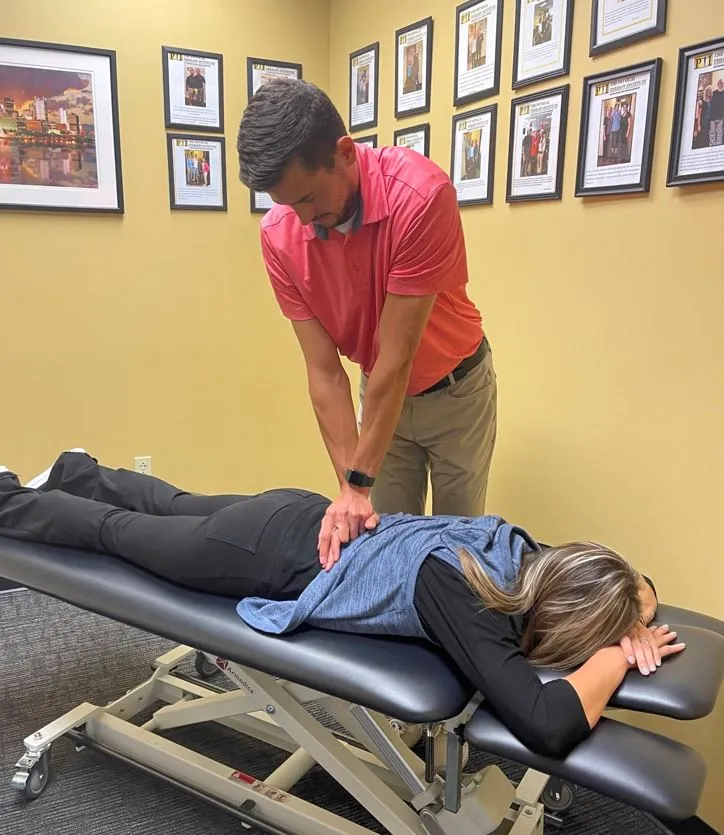
Three Reasons to Seek Treatment for Lower Back Pain
- It could get worse. People develop lower back pain for all kinds of reasons. If you suffered a sudden injury, your pain might indeed resolve on its own. But sudden injuries aren’t the only cause of back pain. Many people will develop back pain due to prolonged sitting, which can contribute to a weakening of the core muscles that stabilize the spine — and puts undue strain on your lower back. Your pain will never fully resolve until you work to strengthen those muscles and address those postural issues.
- It could indicate a serious underlying condition. Not all back pain results from an injury or poor posture. Certain medical conditions, such as spinal fractures, osteoarthritis, and ankylosing spondylitis, can all cause back pain. If left untreated, your symptoms will get worse, and they might bring friends, such as restricted mobility or additional complications. Our team of physical therapists can help you determine the exact cause of back pain and suggest appropriate treatment methods. If you have developed a chronic condition, we can help you manage your symptoms and work with you to delay the disease’s progression.
- You deserve a pain-free life. Back pain may be common, but it can also be debilitating. Intense, persistent pain can keep you from staying active, which only worsens your symptoms and delays healing. It’s a vicious cycle that keeps you from fully enjoying your life. Rather than waiting for your pain to resolve, take a proactive approach with physical therapy. We’ll give you the tools to build strength, improve your posture, and get moving — so you can experience lasting back pain relief.

Our Patients Get Great Results
“I used PTI for rehab for a knee replacement a few years ago and was very pleased. Last April of 2024 I had the other knee replaced and went back to PTI for rehab. I cannot say enough good things about the staff of PTI: friendly, professional, understanding and most of all they really made my knee strong and healthy again! Thank you all! I would not go anywhere else.” – C.M.
How Does Physical Therapy Help with Back Pain, Anyway?
When it comes to back pain, movement is definitely the best medicine. Research repeatedly shows that regular exercise can reduce back pain and keep it from occurring. The problem is that exercise might feel like an impossibility when you’re in pain. That’s why physical therapy is such an excellent treatment option: we make movement the center of our treatment.
Once you’ve decided not to ignore your back pain, give PTI a call. Here’s what we’ll do to help you find relief:
- Prevent future pain. We’ll also help you avoid future incidences of back pain by instructing you on proper lifting techniques or offering ergonomic suggestions for your workspace.
- Find the cause. Our in-depth physical assessments will help us identify precisely why you’re experiencing back pain, allowing us to develop a customized treatment plan.
- Manage pain. We offer several drug-free techniques for managing pain so you can get moving again. Manual therapy, gentle mobilization exercises, and pain-relieving modalities can get you started.
- Get moving. We’ll provide a tailored exercise program that suits your needs, interests, and ability levels. We can also help you strengthen your core muscles, ensuring your spine is well supported.

Today’s the Day to Stop Ignoring Your Back Pain!
Want to take action? The first step is simple: call PTI to schedule an initial consultation. Then wave your back pain goodbye as you embark on a journey to long-term relief!
Recipe of the Month: Stuffed Peppers

Ingredients:
- 4 bell peppers (any color)
- 3/4 lb. lean, ground turkey
- 1/2 medium onion (chopped)
- 1/2 cup uncooked brown rice
- 14.5 oz. canned, no-salt-added, diced tomatoes
- 1 clove fresh, minced garlic (or 1 teaspoon garlic minced from jar)
- 1 tsp. reduced-sodium Italian seasoning (lowest sodium available)
- 1/4 tsp. crushed red pepper flakes (for spiciness), (optional)
- 8 oz. canned, no-salt-added tomato sauce
Instructions:
- Preheat oven to 350 degrees. Cook rice to package instructions (omitting salt). While the rice is cooking, in skillet over medium heat, brown the turkey. Add the onion and cook for 3 minutes more (until onion becomes translucent).
- Wash the bell peppers and remove the tops, seeds and membranes. Set peppers in a 9×9 baking dish or line them up in a loaf pan, so they stand upright.
- In a medium mixing bowl, mix turkey, rice, tomato, garlic, Italian seasoning, and pepper. Spoon into each pepper. Spoon tomato sauce evenly over the top of the 4 peppers. Bake 1 hour in the oven, until peppers are tender.

Getting Ready for Yard Work and Gardening: Take These Steps
Spring has sprung, and many are eager to get their hands dirty in the garden or yard. However, these activities can put an unexpected strain on your body if you’re not prepared. Try these tips to keep you gardening longer while minimizing your risk for injury.
- Movement Prep: Gone are the days of old-school static stretching. Instead, use a dynamic warm-up to prep your muscles and joints for gardening.
- Spinal Health: Incorporate ‘active breaks’ every 20 minutes to reset your spine. Or alternate between working up high (like trimming bushes) and down low (like planting flowers). This gives specific muscle groups a break and reduces the risk of overuse injuries.
- Neuromuscular Control: Practice exercises that engage both your brain and muscles, like balance exercises to avoid trips and falls over uneven terrain or gardening tools, making it easier to navigate through your garden.
Utilizing these cutting-edge approaches can ensure a physically fulfilling and injury-free gardening season, allowing you to fully enjoy the fruits (and flowers) of your labor.
Happy Gardening!

Sitting is the New Smoking: 3 Tips For Staying Active
Think about your typical day. How much of it is spent sitting? If you’re like most people, the answer is–a lot. We sit at our desks for work. We sit in a car to run errands. We sit on the couch to watch TV at night. All this sitting is having a big impact on our health. In addition to contributing to back pain, prolonged sitting raises our risk of heart disease, diabetes, and even cancer. Fortunately, you don’t have to train like an Olympic athlete to counteract the negative effects of sitting–all it takes is a few simple tweaks to your day!
Tip 1: Take frequent breaks.
If you have a desk job, set a timer to remind you to get up every 30 – 60 minutes to move around. Take a few minutes to grab some water, walk around the office, or stretch.
Tip 2: Stretch while you watch TV.
If you love to relax in front of the TV, incorporate some stretches as you watch your favorite shows.
Tip 3: Pick up a new hobby.
Movement-based leisure activities are a great way to incorporate movement into your day–and you aren’t limited to sports, either. Gardening, dance classes, and walking groups are all excellent options.