


Posture Could Be the Culprit Behind Your Shoulder Pain
No one likes dealing with shoulder pain. The discomfort and immobility can prevent you from doing daily activities like grabbing something off a high shelf or reaching up to brush your hair. So, when your shoulder starts hurting, it’s important to figure out why.
Often, shoulder pain stems from an injury. For example, take rotator cuff tears, in which the muscles and tendons that wrap the shoulder become damaged: these injuries are common and can result from a sudden traumatic injury like a fall or develop gradually.
However, sometimes, shoulder pain might not have such a clear-cut cause. One of our patients learned this for herself–we’ll call her Diana. She was dealing with persistent shoulder pain and couldn’t figure out why. Fortunately, the physical therapists at Physical Therapy Insitute were on the case.
And the culprit? It turned out to be Diana’s posture.
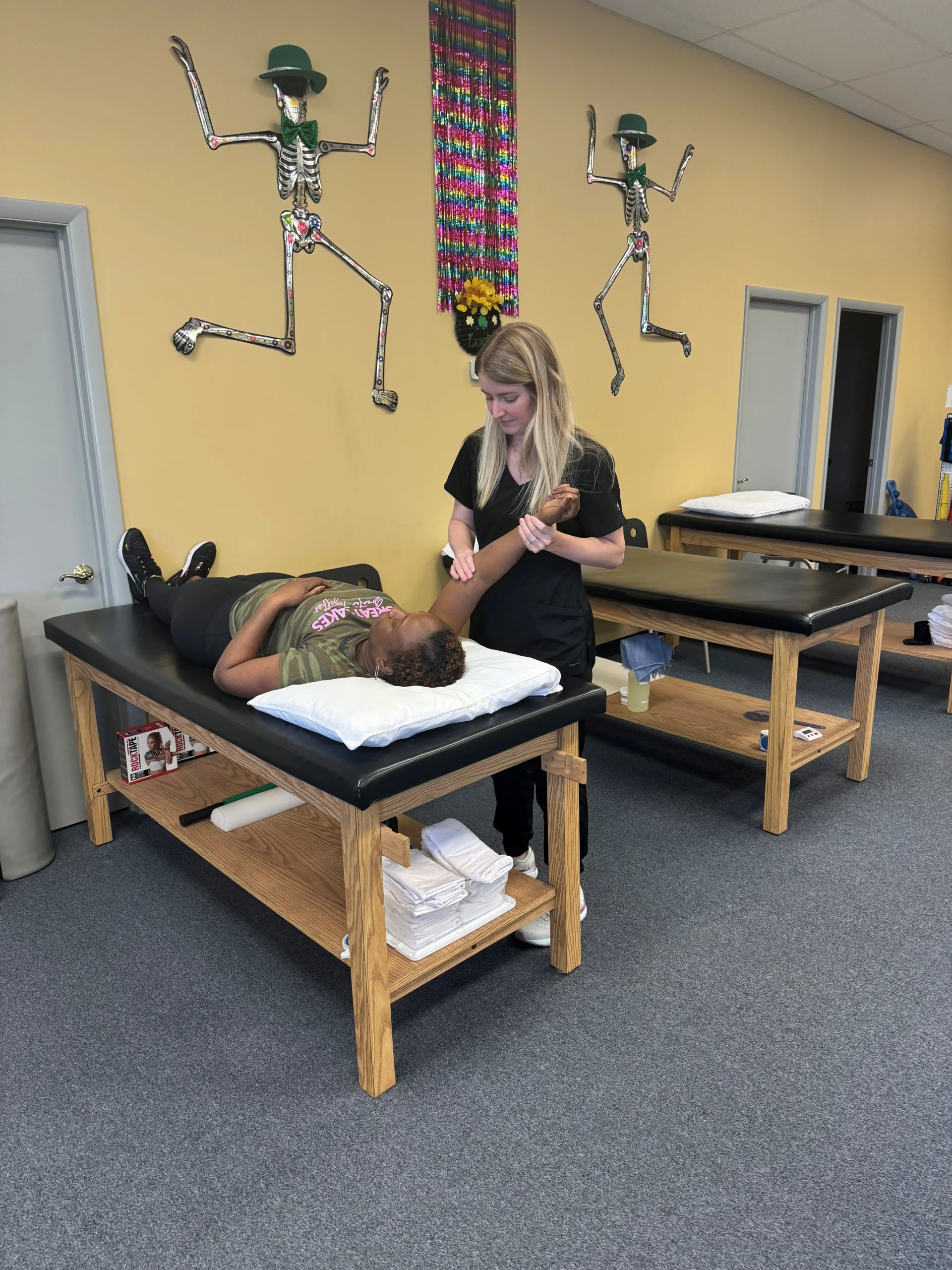
Our New Bower Hill Location is Now Open
We’re growing to serve you better! Our newest clinic, the Bower Hill location, opened on June 9th. You’ll find us at:
1145 Bower Hill Rd, Suite 305, Pittsburgh, PA 15243
We’re excited to bring the same high-quality care you know and trust to a new part of the community.
Meet Diana, Receptionist Extraordinaire
Diana had worked as a receptionist and administrative assistant for years. She enjoyed her work, but it did require her to spend long hours sitting in front of a computer as she sifted through spreadsheets and calendar appointments. Her issues with shoulder pain began gradually. They had always been a little stiff, but the restricted range of motion had worsened in the last few months. She also noticed tightness in her chest and twinges of pain throughout her shoulders and neck. Diana tried to ignore her symptoms at first, thinking they’d eventually go away on their own. Instead, they became more frequent, worsening enough that Diana struggled to sit at her desk long enough to get any work done. That was when she came to visit us.
Our Physical Therapists Were on the Case
As always, we started Diana with a comprehensive assessment to help us understand the root cause of her discomfort. We took a health history, talked to her about potential injuries, and conducted several movement screens–including a postural screen.
The postural screen was where we made headway. After reviewing Diana’s posture while she was sitting, standing up, and moving around, we noticed the following:
- She held her head forward in relation to her shoulders, a stance called “forward head posture.”
- She tended to round her shoulders, giving her slight kyphosis, or a hunched posture, in her upper back.
- Her shoulder blades were protracted away from her spine.
The signs were clear: Diana had developed upper cross syndrome.
Upper cross syndrome is a condition marked by postural changes that have a waterfall effect throughout the body. Diana’s postural impairments had impacted the muscles in her upper back and shoulder girdle. As a result, the movement in her upper body became impaired, leading to her pain and mobility restrictions.
A Personalized Solution to Lasting Pain Relief
Now that we understood why Diana was experiencing shoulder pain, we could develop a customized treatment to correct her posture and address the muscular impairments and imbalances that had led to her symptoms in the first place.
The foundation of Diana’s treatment was a comprehensive therapeutic exercise program. We began by improving her shoulder’s range of motion through simple mobility exercises.
After a few weeks, Diana was ready to begin strengthening the affected muscles. Using equipment like resistance bands and weights, we guided Diana through targeted exercises that addressed muscular weakness and imbalance.
Throughout her program, we also helped Diana improve her overall posture. Like many people, she thought postural improvements were about “sitting up straight.” In reality, she needed to keep her spine aligned as she moved through different postures throughout the day.
Because Diana had a desk job, we emphasized the importance of changing her posture regularly by taking quick breaks. Diana began using a timer to remind herself to get up every 30 minutes or so and walk around the office.
While it took a little effort on Diana’s part, eventually, her pain receded, and her shoulders were more mobile than they’d been in years. To make sure she didn’t relapse, we provided her with exercises to do at home to keep her upper body strong.
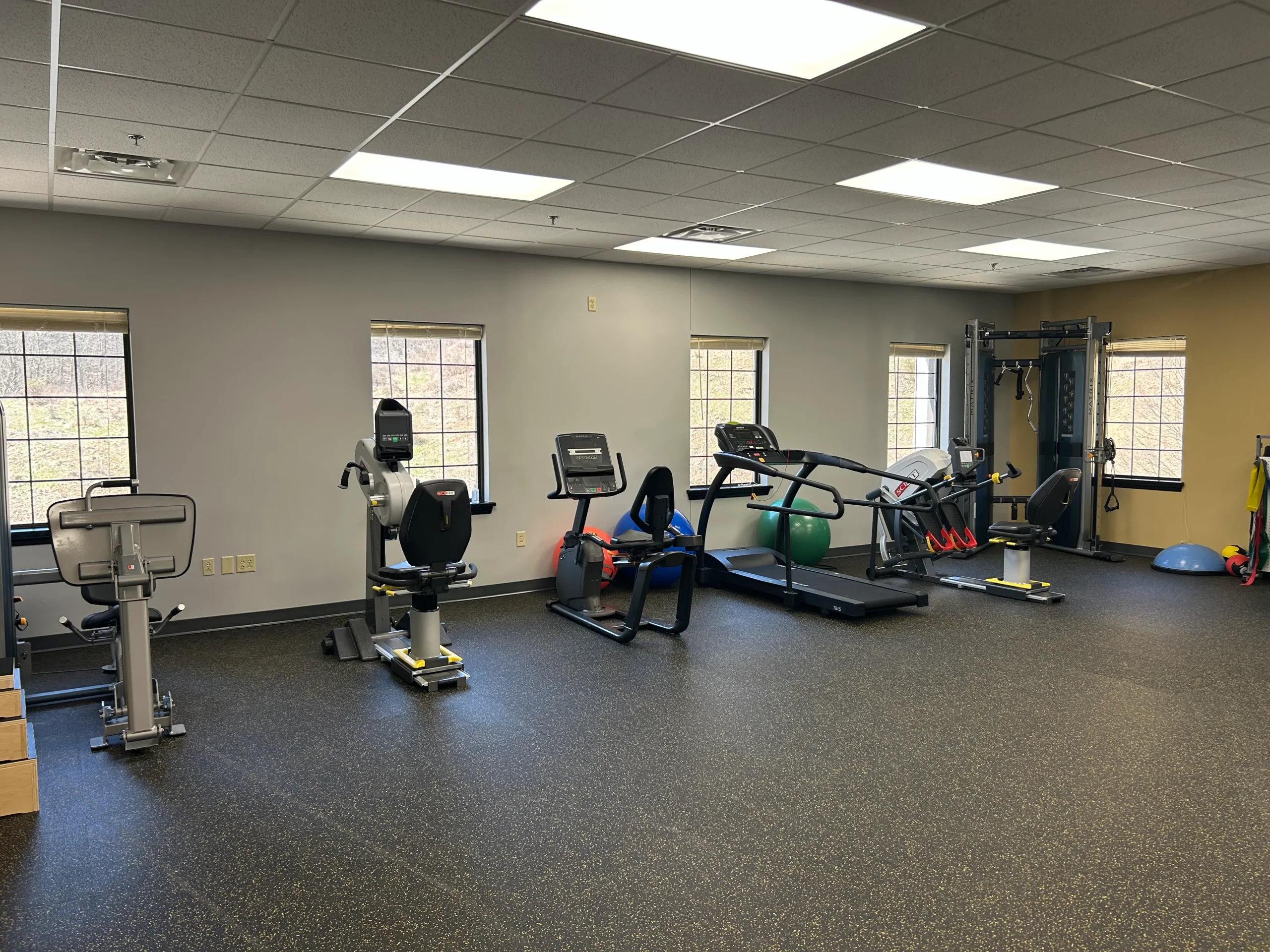
Our Patients Get Great Results
“I have been coming to the Washington PTI for 3 years, first for surgery then maintenance. Excellent team & facility. The PT team at The Physical Therapy Institute made my rehab from 2 shoulder replacement surgeries, not only tolerable but very pleasant! Exercises were chosen in a way that gradually built my particular strengths. Appointments were easy to schedule with flexible days & times. Highly recommend!!” – C.G.
How to Improve Your Posture at Work
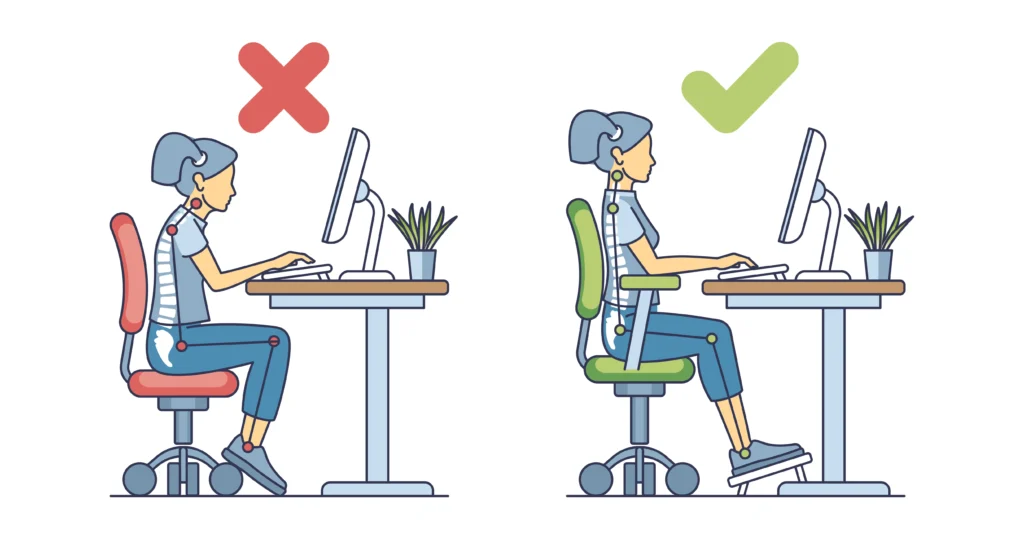
One study found that the average person spends a third of their life at work–so if you’re looking to improve your health and wellness, you need to take your job into consideration! Unfortunately, many jobs can make this challenging. They force you into prolonged postures or require you to perform repetitive movements–both of which can strain your musculoskeletal system. At The Physical Therapy Institute, our physical therapists can work with you to find solutions to any work-related concerns. Here are a few of the things we might suggest:
- Find your ideal posture. An ideal posture is one in which your spine rests in its natural alignment, whether sitting, standing, or moving around. This is something we can help you discover!
- Take frequent breaks. As the saying goes, “Your best posture is your next posture.” Find ways to move your body throughout the day. If you work an office job, this can be as simple as getting up every 30-40 minutes for five minutes.
- Pay attention to ergonomics: The field of ergonomics focuses on improving your working environment for comfort and efficiency. Make sure your workstation (whether a chair and desk or a workbench) is the right height for your body. Use adaptive equipment as necessary. Our team can provide all the guidance you need!
But even if you have a job that requires you to stand for long periods (such as retail or factory work), you still need to take breaks. Shift your weight, put a leg on a bench, or do some quick stretches–we can help you find quick, simple ways to move.
Is Your Posture Causing You Pain?
Diana learned just how important posture is. If you’re struggling with persistent shoulder pain, call the team at PTI. We’ll dig down to the source–and give you the guidance you need to correct the issue.
Recipe of the Month: Blueberry Muffin Bread

Ingredients:
- 2 cups (250g) all-purpose flour (spooned & leveled)
- 1 teaspoon baking soda
- 1 teaspoon baking powder
- 1/2 teaspoon salt
- 1/2 cup (8 Tbsp; 113g) unsalted butter, softened to room temperature
- 2/3 cup (135g) granulated sugar
- 1/4 cup (50g) packed light or dark brown sugar
- 2 large eggs, at room temperature
- 1/2 cup (120g) sour cream, at room temperature
- 1 and 1/2 teaspoons pure vanilla extract
- 1/3 cup (80ml) milk, at room temperature
- 1 and 1/2 cups (210g) fresh blueberries
- Optional: 2 Tablespoons blueberry jam and/or crumb topping
Instructions:
- Adjust the oven rack to the lower third position and preheat the oven to 350°F (177°C). Grease a 9×5-inch loaf pan or coat with nonstick spray. Set aside.
- Whisk the flour, baking soda, baking powder, and salt together in a large bowl.
- Using a handheld or stand mixer fitted with a paddle or whisk attachment, beat the butter, granulated sugar, and brown sugar together on high speed until smooth and creamy, about 2 minutes. On medium speed, add the eggs one at a time, beating well after each addition. Beat in the sour cream and vanilla extract on medium speed until combined. With the mixer running on low speed, add the dry ingredients and milk into the wet ingredients and beat until no flour pockets remain. Fold in the blueberries.
- Spoon the batter into the prepared baking pan. Bake for 60-65 minutes, loosely covering the bread with aluminum foil at the 30 minute mark to help prevent the top and sides from getting too brown. A toothpick inserted in the center of the loaf will come out clean when the bread is done. Remove from the oven and allow the bread to cool completely in the pan set on a wire rack.
- Cover and store bread at room temperature for 2 days or in the refrigerator for up to 1 week.
Sources
- https://sallysbakingaddiction.com/blueberry-muffin-bread/
- https://trialsjournal.biomedcentral.com/articles/10.1186/s13063-020-4159-9,
- ttps://www.jospt.org/doi/10.2519/jospt.2020.0501,
- ttps://www.jospt.org/doi/full/10.2519/jospt.2020.8498
- https://www.physio-pedia.com/Ergonomics,
- https://www.bls.gov/news.release/atus.nr0.htm